Broadwalk Shopping Centre waste removal for Edgware shops
Posted on 30/06/2026
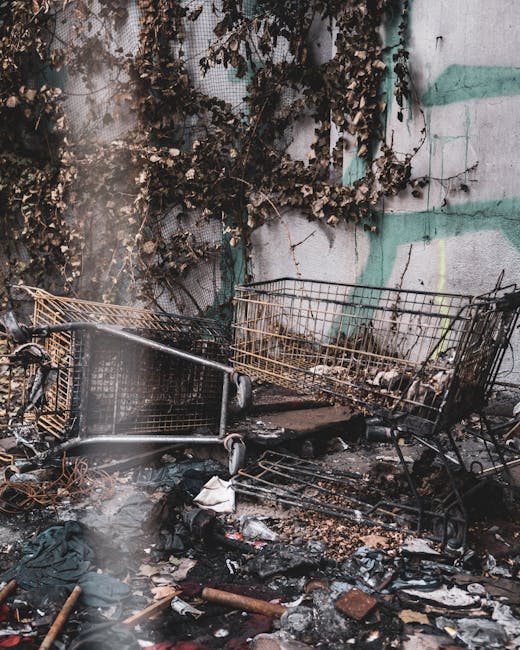
Broadwalk Shopping Centre Waste Removal for Edgware Shops: A Practical Guide for Busy Retailers
If you run a shop in or around Broadwalk Shopping Centre, waste has a habit of turning up faster than you can deal with it. Cardboard piles grow after deliveries, old display units take up precious space, and the back room starts looking more like a storage problem than a sales area. Broadwalk Shopping Centre waste removal for Edgware shops is about keeping that pressure under control without disrupting trading, customers, or the daily rhythm of your business.
This guide is for shop owners, managers, landlords, and fit-out teams who need a clear, sensible way to handle retail waste in Edgware. We'll cover how it works, what to watch out for, when it makes sense to book help, and how to make sure the process stays tidy, compliant, and efficient. Truth be told, waste is one of those jobs that feels minor until it starts eating up time, staff energy, and floor space.
For a wider look at the support available locally, you can also explore our services overview and the company's about us page to understand the approach behind the work.
Why Broadwalk Shopping Centre waste removal for Edgware shops Matters
Retail waste is not just "stuff to throw away". In a shopping centre setting, it affects how your shop looks, how safely staff move around, and how quickly you can reset the space after deliveries, refurbishments, or seasonal promotions. If you have ever tried to open the doors with flattened boxes leaning against a stockroom wall and a broken shelf still in the way, you already know the feeling. It's messy, but more importantly, it slows everyone down.
Broadwalk Shopping Centre waste removal for Edgware shops matters because retail businesses usually operate in tight footprints. Space is money. When rubbish accumulates, it affects storage, stock rotation, and the presentation of the sales area. That can matter just as much behind the scenes as it does on the shop floor.
It also matters because shopping centre waste can be varied. One week it's packaging and shrink wrap. The next it's old signage, torn shelving, or broken fixtures from a small refit. Add bulky items and mixed materials into the equation, and suddenly a simple tidy-up needs more than a bin bag and a spare pair of hands.
There's also a customer-facing angle. People notice clutter. They may not say anything, but they notice. A neat entrance, clear loading area, and tidy back-of-house space help create the right impression. And in a retail environment, impressions stick.
For shops that regularly receive stock deliveries or carry out display changes, pairing waste removal with broader planning can save a lot of stress. Some businesses also look at related support such as office clearance in Edgware when admin rooms, storage rooms, or shared work areas become overfilled. It is the same basic idea: clear the space before it starts dictating how you work.
Expert summary: The best waste removal for a shopping-centre shop is not the biggest service, but the one that fits around trading hours, delivery windows, and the real layout of your unit. Fast, tidy, flexible. That's the sweet spot.
How Broadwalk Shopping Centre waste removal for Edgware shops Works
In practice, the process is straightforward, though the details matter. Most retail waste collections start with a quick assessment of what needs removing: packaging, mixed rubbish, old furniture, broken fixtures, display items, or post-refit debris. A good provider will want to know what is inside the load, how much space it takes, and whether there are any awkward access points.
That last part is important. Shopping centres often have shared access arrangements, loading rules, lift use, or time windows for collections. You do not want a team arriving with the wrong vehicle size or trying to move bulky items through a route that was never going to work. It sounds obvious. It still goes wrong.
Once the job is planned, collection usually happens at a scheduled time that suits trading. For smaller retail clearances, this may be a same-day or next-day removal where the team loads everything and takes it away in one visit. For larger jobs, you may need a phased approach, especially if the waste is mixed with items that need careful sorting.
Here is the basic flow many shops use:
- Identify the waste type - separate packaging, general waste, bulky items, and anything potentially recyclable.
- Check access and timing - loading bays, centre rules, lift access, and quieter trading periods.
- Estimate volume - enough to guide vehicle choice and time on site.
- Book the removal - ideally with clear notes about location, floor level, and parking constraints.
- Prepare the load - stack safely, keep walkways clear, and protect stock.
- Collection and sweep-up - the area should be left clean and safe, not just empty.
If your waste sits alongside renovation work or a shop refresh, you may also find it useful to read about builders waste disposal in Edgware. That is often the closest match for strip-out debris, old fixtures, and refit leftovers.
In our experience, the best jobs are the ones where the retailer has already spent ten minutes sorting things into rough categories. Not perfect. Just sensible. That small bit of prep often cuts delays and keeps everyone calmer on the day.
Key Benefits and Practical Advantages
There are obvious benefits to keeping retail waste under control, but the practical ones are usually the most valuable. When a shop has a reliable removal routine, it becomes easier to trade, easier to stock, and easier to manage staff time. Less clutter, less friction. Simple really.
- More usable floor and storage space - especially important for compact units where every corner matters.
- Cleaner customer experience - tidy entrances and back rooms tend to support better shop presentation overall.
- Faster turnaround after deliveries - packaging does not linger and crowd staff areas.
- Safer movement around the unit - fewer trip hazards, better access to exits, and easier stock handling.
- Less strain on staff - your team can focus on selling, not improvised rubbish runs.
- Better fit-out and refit flow - particularly when you are changing displays or replacing old equipment.
There is a quieter benefit too: waste removal makes it easier to stay disciplined with your space. Once you have a regular habit, the shop tends to stay neater by default. That matters on a busy Friday afternoon when the place is already noisy, deliveries are arriving, and someone needs to find a packing box that was definitely here ten minutes ago.
Many retailers also use waste removal as part of a wider maintenance rhythm. For example, if you are dealing with office overflow, surplus stockrooms, or staff-only areas, a linked service such as waste clearance in Edgware can be a neat fit. If it is more about a closed office, archived paperwork, or old desks, office clearance may be the more practical route.
Who This Is For and When It Makes Sense
This kind of service is not just for large retailers. It suits a wide mix of businesses inside and around Broadwalk Shopping Centre, from small independents to service-led premises with back-room clutter and regular packaging waste. If you sell products, display stock, or handle frequent deliveries, chances are you'll need some form of removal support sooner or later.
It makes sense in several common situations:
- after a seasonal restock, when packaging suddenly piles up
- during a refit or mini refurbishment
- when old shelves, mannequins, signage, or display units need removing
- after a stockroom clear-out
- when a shop is closing, relocating, or changing use
- when mixed waste is too bulky for ordinary bins
It also makes sense if your staff are spending too much time managing rubbish instead of serving customers. That's the real test. If waste is becoming a task in itself, you probably need a better system.
Small shops may only need occasional collections. Larger units, or businesses with regular delivery cycles, often benefit from a repeating schedule. There is no single right answer. The right setup is the one that keeps the shop clean without overpaying for unnecessary visits.
To understand the local setting a bit better, some business owners like browsing practical Edgware content such as what to know about Edgware living or quick clearance tips near Edgware Station. Different parts of the area move at different speeds, and that can matter when scheduling collections around footfall and traffic.
Step-by-Step Guidance
If you want the process to feel less chaotic, break it into stages. Shopping centre waste jobs tend to go smoother when someone takes five minutes to plan properly. Not glamorous, but effective.
1. Walk the unit and identify everything that needs to go
Start with a slow walk-through. Look at the stockroom, till area, display sections, and any corner where old materials have been tucked "for now". Separate what is waste from what is reusable. That distinction saves mistakes later.
2. Sort waste into practical groups
Try to group items by type: cardboard, plastics, general rubbish, bulky fixtures, broken storage, electrical bits, and anything that may need special handling. You do not need museum-level precision here. Just enough to avoid a mixed pile becoming a headache.
3. Check centre access and timing
Before collection day, confirm how vehicles can access the site, where loading should happen, and whether there are time restrictions. A well-timed removal outside the busiest customer window is usually far less disruptive.
4. Protect the trading space
If you are collecting while the shop remains open, make a temporary route for customers and staff. Move fragile stock out of the way. Tape down anything loose. Use common sense, which is not always as common as people hope.
5. Load safely and keep exits clear
Bulky items should be lifted properly and placed so they do not block fire exits or key access points. If the collection is handled by professionals, they should manage the physical removal and leave the area in a usable condition.
6. Confirm recycling or disposal approach
Ask how the waste will be handled. A responsible provider should be able to explain what is likely to be reused, recycled, or disposed of separately. For shops that care about sustainability, this is not a side issue. It is part of the decision.
If your unit is in the middle of a wider interior refresh, you might also want to review recycling and sustainability practices so you can think about waste reduction from the start, not as an afterthought.
Expert Tips for Better Results
A few small habits make a big difference. The best retail clearances I've seen were never the fanciest ones. They were the organised ones.
- Book before the pile becomes urgent - emergency waste work usually costs more in time and stress, even when the job itself is simple.
- Schedule around trading peaks - early mornings or quieter periods can save awkward customer interruptions.
- Keep cardboard separate where possible - it is easier to manage and can reduce the mixed-load mess.
- Measure awkward items - old shelving and display units are often bigger than they look.
- Tell the team what is staying - a quick label or note avoids accidental removal of useful stock or equipment.
- Plan for the last 10% - the final bits, dust, wrap, and broken packaging are the things people forget.
One extra tip: if you are planning a broader shop change, combine waste removal with the rest of the work. A single well-timed clearance is often less disruptive than three small ones. Though, to be fair, sometimes the calendar refuses to cooperate and you just do your best.
If you are unsure which service best matches your job, browsing the wider rubbish removal in Edgware option can help you compare the basic scope against more specialised clearance work.

Common Mistakes to Avoid
A lot of retail waste problems are preventable. They usually come from rushing, guessing, or assuming the job is smaller than it is.
- Leaving everything until the last minute - this creates pressure and often leads to poor sorting.
- Mixing reusable stock with waste - once it is in a pile, mistakes happen.
- Ignoring access limitations - shopping centres are not always straightforward for vehicles or bulky items.
- Underestimating bulky waste - one broken cabinet can take up more room than ten bags of rubbish.
- Failing to check recycling options - some materials should be separated earlier.
- Not accounting for staff flow - if collection blocks the back room during a busy shift, morale dips fast.
Another common one: people assume all waste is the same. It is not. Cardboard, old fittings, electrical items, and general rubbish may need different handling. That is especially true in a shopping-centre environment where the waste stream changes depending on what has been delivered, replaced, or refurbished.
Tools, Resources and Recommendations
You do not need a complicated system to keep retail waste under control. A few simple tools can make a shop much easier to manage.
- Heavy-duty sacks and lined bins for everyday packaging and general waste
- Flat-pack boxes or cages for cardboard and lighter soft waste
- Labels or colour coding to separate waste types quickly
- Measuring tape for bulky furniture or fixtures
- Basic floor protection if removals happen during trading hours
- A simple waste log for recurring collections, especially useful for shops with regular stock turnover
For shops with staff areas or back-office storage that also need attention, the broader our services page can be useful for seeing how different clearance needs fit together. It helps to think beyond the one-off pile and look at the whole space.
Another useful habit is keeping a small "review corner" for items that might be reused, repaired, or donated elsewhere before they are treated as waste. It sounds tiny, but over time it reduces unnecessary disposal. And less waste, well, that is usually a good thing.
Law, Compliance, Standards, or Best Practice
Retail waste handling in the UK is not something to treat casually. Shops have a duty to make sure waste is stored, transferred, and removed responsibly. You do not need to turn into a compliance specialist, but you do need a sensible process and a provider you trust.
The main best-practice points are fairly straightforward:
- keep waste secure so it does not create a nuisance or hazard
- separate recyclable materials where practical
- avoid blocking exits, fire routes, or shared access areas
- make sure waste is transferred to a responsible carrier
- retain clear records where your business process requires it
For shopping-centre shops, there is also the matter of site rules. Broadwalk Shopping Centre may have its own access expectations, collection windows, or loading arrangements. Always follow those local rules first, even if they feel a bit inconvenient. They usually exist for a reason.
If you are dealing with safety-sensitive items, damaged fixtures, or anything that could cause injury, do not improvise. Use a method that protects staff and customers. If a collection involves heavier items or stripped-out materials, check the plan carefully. The neatest job is the one nobody has to worry about afterwards.
For reassurance on the operational side, some business owners prefer to review the company's insurance and safety information before booking. That extra step is not overcautious. It is just sensible business.
Options, Methods, or Comparison Table
Not every shop needs the same approach. Sometimes a quick one-off clearance is enough. Other times, a repeat visit or a more structured clearance is the better fit. Here's a simple comparison to make the decision clearer.
| Option | Best for | Strengths | Watch-outs |
|---|---|---|---|
| One-off waste removal | Seasonal packaging, sudden clear-outs, small refits | Simple, fast, good for occasional needs | Can become inefficient if used too often |
| Scheduled recurring collections | Busy shops with predictable waste volume | Keeps space under control and reduces build-up | Needs planning and regular review |
| Bulk clearance after refit | Shop closures, refurbishments, fixture replacement | Handles large amounts of mixed material in one go | May need more preparation and access planning |
| Integrated waste and clearance plan | Multi-unit operations or stores with stockroom issues | Good long-term control, fewer surprises | Takes a little more organisation upfront |
If your shop is part of a broader business footprint, the right choice may also link with general waste clearance or, for businesses with temporary closures, even a more complete clearance-style approach where items are being removed in bulk and the space needs resetting properly.

Case Study or Real-World Example
Imagine a small clothing shop in Broadwalk Shopping Centre after a seasonal reset. New stock has arrived. The old window display is being replaced. Two damaged rail units are sitting in the stockroom, and the back area has become a resting place for cardboard, plastic wrap, and a broken mirror frame. Nothing dramatic. But the room feels tighter by the day.
The manager does a quick walk-through, separates what can stay from what must go, and books a collection for early morning before the unit gets busy. The waste is grouped near the access point the night before. Staff keep the customer side clear and tape a temporary note on the back-room door so no one adds more boxes at the last second. Classic little move, that.
On the day, the team clears the bulk items first, then the mixed waste, then sweeps the corner areas where dust and fragments had collected. The whole process takes less time than trying to do it bit by bit over three weeks. More importantly, the shop is ready for trading without the awkward clutter that was starting to creep into the customer experience.
That is the value of proper retail waste removal. Not just taking things away, but making the space work again.
Practical Checklist
Use this checklist before your next shop waste collection. It keeps the job simpler and the surprises smaller.
- Identify all waste types in the unit
- Separate reusable items from true waste
- Check shopping-centre access and time restrictions
- Measure bulky or awkward items
- Protect stock, flooring, and customer routes
- Tell staff what is being removed
- Confirm the collection window in advance
- Group items close to the access point if allowed
- Ask how recycling is handled
- Do a final sweep once the load is gone
If you tick all ten boxes, the job is usually far easier. Not always perfect, but much easier. And honestly, easier is often what shop teams need most.
Conclusion
Broadwalk Shopping Centre waste removal for Edgware shops is really about keeping your business sharp, safe, and ready to trade. The best systems are the quiet ones: a simple plan, a sensible schedule, clear sorting, and a removal process that does not get in the way of customers or staff. That is the aim.
Whether you are handling day-to-day packaging, clearing out old fixtures, or preparing for a refit, the key is to treat waste as part of operations rather than an afterthought. Once you do that, the whole shop tends to feel lighter. Cleaner too. And a bit more in control, which never hurts in retail.
Get a free quote today and see how much you can save.
Small improvements add up in a shop. One tidy collection, one clearer stockroom, one less thing to worry about. It all counts, really.


 Tipper Van - Home Waste Collection and Rubbish Removal Prices in Edgware, HA8
 Luton Van - Home Waste Collection and Rubbish Removal Prices in Edgware, HA8