Edgware Station rubbish removal guide for quick clearances
Posted on 19/06/2026
If you need waste shifted quickly around Edgware Station, you are usually dealing with one of three things: not enough time, not enough space, or both. A flat move, a post-renovation pile-up, office clutter, garden bags left too long, or just that awkward sofa nobody wants to carry down the stairs - it all becomes urgent fast. This Edgware Station rubbish removal guide for quick clearances is written to help you make sensible decisions without fuss, delay, or guesswork.
You will find a clear process, practical tips, common mistakes to avoid, and the sort of local-thinking that matters when access is tight, parking is awkward, and you simply want the job done properly. Truth be told, quick clearances are less about speed alone and more about preparation. Get that part right, and the rest gets a lot easier.
For readers who want a broader view of local services, the services overview is a sensible starting point, especially if you are comparing different types of clearance work in the Edgware area.
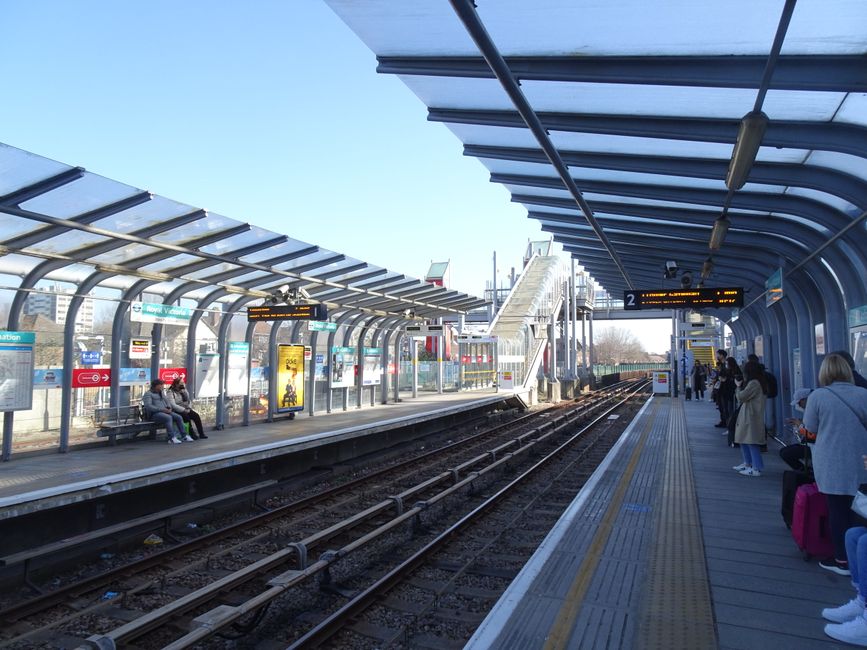
Why Edgware Station rubbish removal guide for quick clearances Matters
Edgware Station is a busy local point, and that matters more than people think when rubbish needs removing quickly. Nearby homes, shops, offices, and rental properties often have limited loading space, shared entrances, narrow stairwells, and the usual London headache of parking that seems easy until you actually need it. When waste starts stacking up, the practical pressure is real. It affects how a property feels, how quickly a sale or handover can happen, and even how safely people can move through a space.
A quick clearance is not just about making things look tidy. It can reduce trip hazards, free up rooms for decorating or staging, and stop a small job becoming a bigger one. In our experience, people often wait one day too long and then suddenly the situation becomes awkward: a contractor is due, a tenant is moving, or a landlord wants the place emptied before lunchtime. That is the kind of moment where having a simple plan helps a lot.
This also matters because the wrong disposal route can create avoidable problems. Leaving items in communal areas, dumping waste without the right checks, or booking a service too late can create friction with neighbours, building managers, or the people who need access next. A little planning saves a lot of apologising. And nobody really wants to be the person blocking a hallway with five bin bags at 8:15 on a Tuesday.
If your clearance is tied to a property move, it may also help to read the local context in the expert guide to buying Edgware property, because clearance timing and property timelines often overlap in real life.
How Edgware Station rubbish removal guide for quick clearances Works
Quick rubbish removal works best when the job is broken into simple stages. First, identify what needs going and what is staying. Then separate anything sensitive, reusable, hazardous, or bulky. After that, make access as easy as possible so collection can happen in one smooth visit rather than a messy back-and-forth.
A good removal process usually begins with a short description of the load: single bulky items, mixed household waste, builder's rubbish, office clutter, or general clearance. The more accurate this first step is, the easier it is to match the right team and vehicle. You do not need a novel. A rough list, a few photos, and some honest details are usually enough.
For quick clearances near Edgware Station, timing is a key factor. Early morning collections can be useful if the area is busy later in the day. If access is tight, it helps to know whether items are on a ground floor, up stairs, in a rear garden, or in a basement. A crew that knows the access situation before arriving can get straight to work instead of wasting time figuring things out on the doorstep.
There is also a difference between a one-off rubbish removal and a broader waste clearance. A one-off job might be a few bags and an old wardrobe. A larger clearance may include furniture, appliances, office equipment, and mixed material that needs sorting. If the job is more substantial, the right service choice makes a big difference. For many readers, rubbish removal in Edgware is the most direct option, while bigger property jobs may lean towards waste clearance in Edgware.
One useful way to think about it: the cleaner the handover, the quicker the clearance. If the path is open, the items are grouped, and the access point is clear, the whole thing tends to run much more smoothly. Sounds obvious. It is obvious. But you would be surprised how often people overlook it.
Key Benefits and Practical Advantages
The obvious benefit is speed. But quick clearance has several other advantages that are worth taking seriously.
- Less disruption: A short, organised clearance minimises disturbance to neighbours, tenants, staff, or visitors.
- Safer access: Removing clutter reduces trips, blocked exits, and awkward lifting hazards.
- Better property presentation: Empty rooms feel larger, brighter, and easier to inspect or market.
- Faster project progress: Decorating, moving, cleaning, or refurbishing becomes easier once waste is gone.
- Less stress: You are not left staring at a pile of stuff wondering where to begin.
There is also a practical financial angle. Quick clearances can sometimes prevent delays that cost more than the clearance itself. A delayed handover, a missed decorator slot, or a postponed office move can be expensive in its own quiet way. Not dramatic. Just irritating and avoidable.
Another advantage is decision simplicity. Instead of hiring separate help for lifting, loading, sorting, and disposal, a structured removal service can bring the process under control in one go. That is especially helpful if you are dealing with mixed waste or bulky items that would otherwise need multiple trips.
For many homeowners, the real benefit is emotional, oddly enough. A space that has been "nearly cleared" for weeks can feel strangely draining. Once the waste is gone, the room changes. You can hear your own footsteps again. The place stops feeling like a storage zone and starts feeling like home.
If you are comparing service options, the company's pricing and quotes page is a useful place to understand how a job may be assessed before you commit.
Who This Is For and When It Makes Sense
This guide is useful for anyone who needs rubbish removed near Edgware Station without delay, but some situations come up more often than others.
- Homeowners clearing before a move: Ideal when rooms need to be emptied fast and show well.
- Tenants at the end of a tenancy: Helpful for getting rid of leftover items and avoiding last-minute panic.
- Landlords and letting agents: Useful when a property needs to be turned around between occupants.
- Office managers: Helpful for old furniture, filing cabinets, packaging, and general clutter.
- Builders and decorators: Good for managing leftover materials, broken fixtures, and packaging after a job.
- People dealing with a single bulky item: A sofa, mattress, wardrobe, or appliance can be harder to move than expected.
It also makes sense for anyone who simply does not have the van, lifting help, or time to do it themselves. Let's face it, not everyone wants to spend a Saturday sweating over a broken chest of drawers while trying to fit it through a stairwell that seems to have shrunk overnight.
For broader property context, local readers often find it useful to browse the company's local insights, including Edgware living what you should know and the practical look at property deals in Edgware. Those pages help explain why fast, tidy clearances matter in a busy local market.
If the job is a full property emptying rather than a few bags, a more specialised option such as house clearance in Edgware may be the better fit.
Step-by-Step Guidance
Here is a practical route that works well when time is tight.
- Walk through the space slowly. Make a simple list of what must go, what can stay, and anything that needs special handling.
- Separate obvious categories. Put furniture, mixed rubbish, recyclables, garden waste, or office items into rough groups. No need to overthink it.
- Clear the access route. Move boxes, shoes, plant pots, or anything else blocking doors, hallways, or stairwells.
- Check the collection point. If items are outside, make sure they are safe, visible, and not obstructing neighbours.
- Take a few photos. This helps with quoting and avoids confusion on the day.
- Confirm timing and access details. Mention stair access, lifts, parking restrictions, or gate codes early.
- Keep fragile or valuable items separate. Once the team arrives, you do not want to be sorting keepsakes out of a pile of scrap paper.
- Do a final sweep before collection. That last five minutes can prevent a lot of backtracking.
If your waste includes renovation debris, it may be worth reading about builders waste disposal in Edgware because construction waste often needs a slightly different approach than household clutter.
For garden cuttings, soil, branches, and old outdoor materials, garden waste removal in Edgware may be the more fitting route. The main idea is simple: match the waste type to the right service and the whole process becomes more efficient.
A small but useful point: if you are working to a tight deadline, do your sorting before the team arrives. Even ten minutes of pre-sorting can save a surprising amount of time. And it keeps the day calmer, which is honestly half the battle.
Expert Tips for Better Results
Quick clearances are smoother when you approach them like a logistics problem rather than a clean-up panic. That sounds a bit dry, maybe, but it is true.
Tip 1: Keep a "do not move" zone. Mark out items that must stay. A simple note or taped corner works fine. It avoids the classic "wait, that was meant to stay" moment.
Tip 2: Prioritise the bulky items first. Large furniture eats time and space. Once it is out, everything else tends to move faster.
Tip 3: Be honest about access. If the property has narrow stairs, limited parking, or a rear entrance through a shared passage, mention it early. No one enjoys surprises on collection day.
Tip 4: Watch for mixed loads. A pile containing wood, metal, soft furnishings, and general rubbish can take longer to sort. That is normal, but it helps to know in advance.
Tip 5: Ask about recycling focus. A responsible removal team should aim to sort waste for reuse or recycling where practical. That does not mean every item can be saved, of course, but it is a good sign when a company thinks about disposal properly.
Tip 6: Book before the deadline gets painful. If you know the handover, end-of-tenancy check, or clearance deadline is fixed, do not leave the booking to the final evening. That is where the stress really kicks in.
For readers who want reassurance around standards, the company's recycling and sustainability information is relevant because responsible sorting is part of good waste practice, not just a nice extra.
And here is a small human truth: a short checklist on paper often works better than ten notes in your phone. Weirdly old-school, but it keeps the job grounded.

Common Mistakes to Avoid
Most clearance delays happen because people underestimate the job. That is the first mistake. Here are the others that show up all the time.
- Leaving access until the last minute: If there is a bike rack, parked car, or piled-up hallway, remove it beforehand.
- Assuming everything can be taken: Some items need special handling, so check in advance instead of guessing.
- Mixing keep and remove piles: It is easy to make this mistake during a rushed clear-out. It is also easy to regret it.
- Forgetting lift or stair details: A collection that sounds simple over the phone can become slow if access is not described accurately.
- Booking too late in the day: If your deadline is strict, late appointments can leave no room for delays.
- Ignoring neighbours or shared spaces: In blocks near transport hubs, considerate timing matters. Nobody wants bags left in a communal area for hours.
Another common issue is trying to do a full clearance with the same plan you would use for a few bin bags. That is where people get caught out. A three-item job and a three-room job are not the same thing. Not even close.
If the clearance is tied to moving offices or removing old workstations, office clearance in Edgware may be more efficient than a general collection, especially when furniture and paperwork need careful handling.
Tools, Resources and Recommendations
You do not need a van full of gadgets to prepare for quick rubbish removal, but a few simple tools help.
- Strong bin bags: For light mixed waste and loose clutter.
- Marker tape or sticky notes: Useful for separating keep and remove items.
- Gloves: Helpful for dusty, awkward, or sharp-edged materials.
- Cardboard boxes: Good for smaller items that might otherwise get scattered.
- Measuring tape: Handy if you are dealing with bulky furniture near narrow doors or stair turns.
- Phone camera: Simple, but very useful for sharing clearances with a provider.
As a recommendation, use a short written list and take pictures before any lifting starts. It keeps everyone honest and reduces missed items. If the job is likely to involve multiple waste types, make a basic note of what is present: household waste, furniture, appliances, garden material, or renovation offcuts.
For readers who want to understand the wider business behind the service, the about us page offers helpful context on how the company presents its work, while the insurance and safety page is worth a look if you are concerned about safe handling and peace of mind.
And if you prefer to compare service details before making a call, our services gives a broader overview of what is available. Simple, but useful.
Law, Compliance, Standards, or Best Practice
Waste removal in the UK is not just a matter of putting things in a vehicle and driving away. There are practical responsibilities around safe handling, appropriate disposal, and making sure waste is taken to the right place. The exact requirements depend on the waste type, but the general best practice is consistent: use a proper service, keep records where needed, and avoid fly-tipping or careless dumping.
For everyday household clearances, most readers mainly need to know two things. First, hazardous items, electrical items, and certain waste streams may need separate handling. Second, you should always be cautious about any service that seems vague about where waste goes. A reputable provider should be clear about its process and careful with disposal.
For builders' waste, office waste, and mixed property clearances, the expectation is even higher. Materials can include timber, metal, plasterboard, packaging, paperwork, electronics, and general rubbish. Best practice is to separate what can be reused or recycled and to dispose of the rest responsibly.
It is also sensible to think about safety. Heavy lifting, sharp edges, and awkward furniture can cause injuries if handled badly. That is why trained removal teams use sensible lifting methods, appropriate equipment, and careful loading. No drama, no heroics. Just good practice.
If you are the property owner, landlord, or manager, it is worth keeping a simple record of what was removed and when, especially for larger clearances. That is not overkill. It is just tidy business.
Options, Methods, or Comparison Table
Choosing the right clearance method depends on time, volume, and access. Here is a straightforward comparison.
| Method | Best for | Strengths | Limitations |
|---|---|---|---|
| DIY disposal | A few light items | Cheap if you already have transport | Time-consuming, lifting risk, multiple trips |
| Man-and-van style removal | Bulky items or small mixed loads | Quick, flexible, less effort for you | May not suit large or highly mixed clearances |
| Full property clearance | Houses, flats, probate, end-of-tenancy jobs | More comprehensive and organised | Needs clearer planning and may take longer |
| Specialist waste collection | Builders, office, garden, or specific waste types | Better matched to material type | Needs accurate description up front |
In plain English: if you have a small pile of clutter, a simpler service may be enough. If the place is packed, use a service that can handle the whole picture. That's the smarter move, and usually the calmer one too.
Case Study or Real-World Example
Picture a small flat not far from Edgware Station after a tenant move-out. The property is clean enough, but the bedroom still contains a dismantled wardrobe, a mattress, two bags of mixed waste, and a couple of awkward shelves. The landlord wants the flat ready for viewings the next day. Not ideal, but manageable.
The quickest way through that job is not to start dragging everything out at random. First, the bulky furniture is identified. Next, the bags are checked for anything that should stay behind. Then the route from the bedroom to the exit is cleared so nobody trips over loose screws or cardboard. The removal team arrives with enough information to load efficiently, and the flat is cleared in one visit.
What made the difference? Not luck. Preparation. The items were grouped, access was described clearly, and there was no confusion about what should be taken. The actual collection felt almost uneventful, which is exactly what you want.
That same approach works for offices too. If a small workspace near the station needs old desks, packaging, and filing cabinets cleared quickly, the principle is identical: sort first, communicate clearly, and choose the right service. A bit boring, maybe. Very effective though.
Practical Checklist
Use this before the collection day.
- Identify everything that needs to go.
- Separate keep items from remove items.
- Take photos of bulky or mixed loads.
- Check stair access, lift access, and parking.
- Clear hallways, doorways, and any shared routes.
- Set aside valuables, documents, and fragile items.
- Make sure waste is grouped where it can be reached safely.
- Confirm the timing and any building restrictions.
- Note if the load includes garden, builders, or office waste.
- Do a last-minute sweep before the team arrives.
If you are planning a larger job and want to explore the wider range of clearance types available, waste clearance in Edgware and the related local service pages can help you match the work to the right option.
Small reminder: the aim is not perfection. The aim is a fast, safe, workable clearance. Good enough, done properly, beats frantic and messy every time.
Get a free quote today and see how much you can save.
Conclusion
Quick clearances around Edgware Station become much easier when you focus on access, sorting, timing, and the type of waste involved. That is really the heart of it. A fast rubbish removal job is not just a vehicle turning up; it is a coordinated handover with fewer surprises and less stress.
If you are clearing a flat, a family house, an office, or a one-off bulky item, the best outcome usually comes from a simple plan and a clear service choice. Keep the route open, describe the job honestly, and avoid leaving the hardest decisions until the collection crew is already at the door.
And if the whole thing still feels like a lot, fair enough - it often does. But once the clutter is gone, the space changes quickly. Brighter, calmer, easier to use. Sometimes that first clear room is the best part of the whole week.



 Tipper Van - Home Waste Collection and Rubbish Removal Prices in Edgware, HA8
 Luton Van - Home Waste Collection and Rubbish Removal Prices in Edgware, HA8